What Is GDI Service? Benefits and Warning Signs
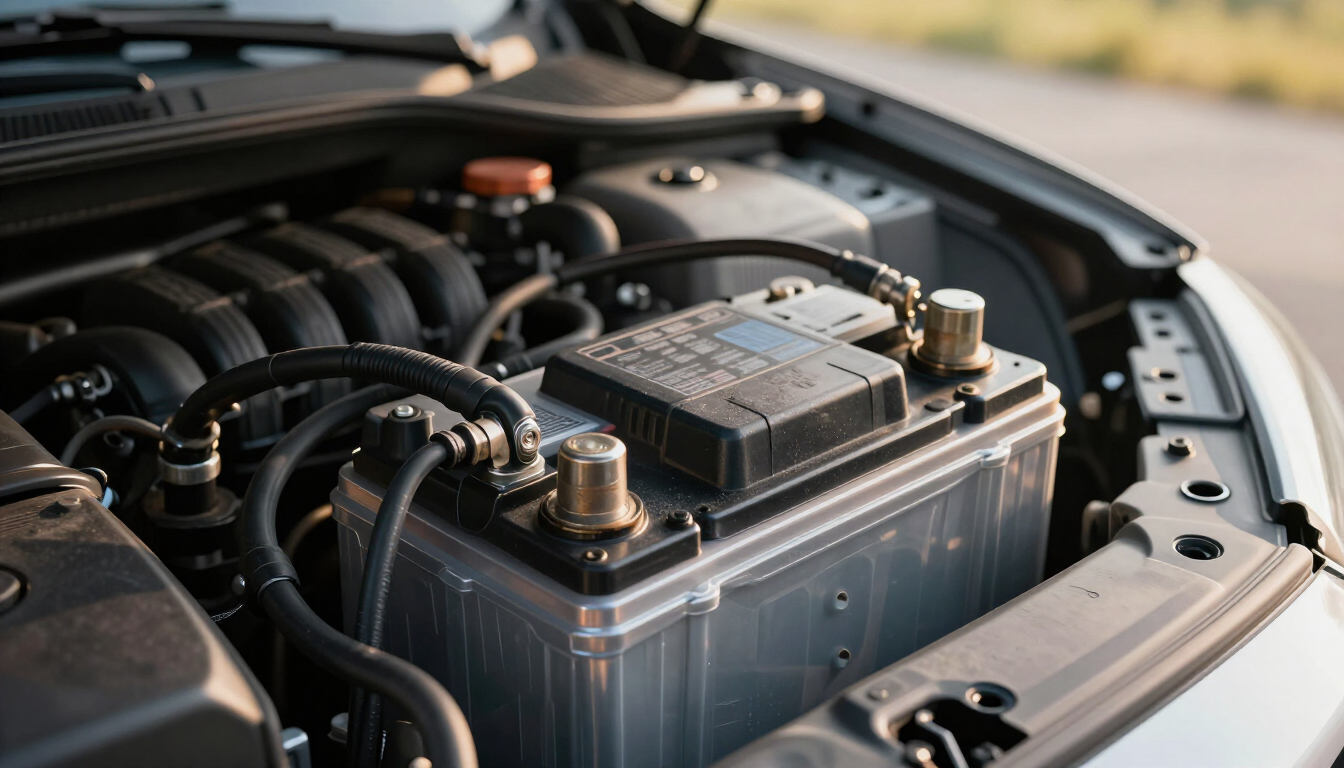
GDI service is a specialized cleaning procedure for gasoline direct-injection engines. Its main benefit is removing carbon buildup from intake valves, which can disrupt airflow and cause a rough idle. It may also help reduce carbon accumulation near the piston rings, supporting smoother engine performance and reducing wear-related concerns.

What is GDI service?
GDI stands for gasoline direct injection. Unlike a traditional fuel-injection system, a GDI engine sprays fuel directly into the combustion chamber. This design can improve fuel efficiency, power, and emissions performance, but it also creates conditions that allow carbon deposits to develop on the intake valves.
Because fuel does not wash over those valves, oil vapor and combustion byproducts can gradually stick to their surfaces. A GDI service uses specialized equipment and procedures to clean deposits that ordinary fuel additives may not remove.
The exact process varies by vehicle and shop. A technician may inspect the engine, verify symptoms, check diagnostic data, and use a professional intake-valve cleaning method. GDI service is not the same as a routine fuel-system treatment poured into the gas tank.
What are the main benefits of GDI service?
The two principal benefits are improving airflow through the intake system and addressing carbon accumulation associated with the top of the combustion chamber.
1. It can restore smoother airflow
Carbon buildup on the intake valves changes the shape and smoothness of the air passage. At low airflow—especially at idle—this can create turbulence and uneven air delivery. The result may be a rough idle, hesitation, reduced throttle response, or inconsistent engine operation.
Cleaning the valves can help restore a more consistent path for incoming air. If carbon buildup is the cause of the concern, drivers may notice a smoother idle and more predictable acceleration afterward.
2. It may help address carbon around the combustion chamber
Carbon can also form near the top of the combustion chamber and contribute to a carbon ring around the piston area. Over time, this buildup may be associated with ring wear, oil-consumption concerns, or reduced engine efficiency.
GDI service cannot reverse mechanical wear that has already occurred. However, evaluating and addressing carbon buildup earlier may help support cleaner engine operation. A technician should confirm whether carbon is actually contributing to the problem before recommending service.
Which vehicles need GDI service?
Any gasoline engine that uses direct fuel injection may be a candidate. GDI systems are found in many cars, trucks, and SUVs from domestic, Asian, and European manufacturers.
You can check whether your vehicle uses direct injection by:
- Reviewing the owner’s manual or factory service information
- Asking a qualified technician to identify the fuel-injection design
- Checking the engine specifications using the vehicle identification number
- Looking for symptoms that match intake-valve carbon buildup
A vehicle does not need to have a specific mileage to qualify. Driving conditions, engine design, maintenance history, oil consumption, and operating temperature all affect how quickly deposits form.
For help identifying your vehicle’s service needs, see Vehicles We Service or contact QuickAlign Brakes & Suspension .
What are the signs your engine may need GDI cleaning?
Carbon buildup can produce symptoms that overlap with ignition, fuel, vacuum, or sensor problems. Common signs include:
- Rough or unstable idle
- Hesitation when accelerating
- Reduced engine performance
- Hard starting or intermittent misfires
- Lower fuel economy
- A check-engine light
These symptoms do not prove that carbon deposits are present. Spark plugs, ignition coils, injectors, vacuum leaks, sensors, and internal engine components can cause similar problems. Proper auto diagnostics should come first when the cause is uncertain.

How is GDI service performed?
A professional GDI cleaning typically begins with diagnosis and inspection rather than immediately performing a cleaning procedure. The technician may evaluate fuel trims, misfire data, intake airflow, compression, and related fault codes.
Depending on the engine and the amount of buildup, the service may include:
- Confirming that the engine uses gasoline direct injection.
- Inspecting for symptoms and stored diagnostic trouble codes.
- Removing or accessing the necessary intake components.
- Cleaning the intake valves with an approved professional method.
- Reassembling components with the correct seals and torque specifications.
- Testing engine operation and verifying whether symptoms improved.
The procedure should be performed according to the vehicle manufacturer’s requirements. Some engines require additional precautions because of sensitive sensors, seals, turbocharger components, or intake hardware.
Can fuel additives clean GDI intake valves?
Usually, fuel additives cannot directly clean the intake valves of a GDI engine because fuel is sprayed into the combustion chamber rather than across the intake-valve surfaces. An additive may support other parts of the fuel system, but it should not be presented as a complete substitute for professional intake-valve cleaning.
That does not mean additives are never useful. Their value depends on the product, engine design, maintenance schedule, and the problem being addressed. Ask a technician before using a chemical treatment, especially if the vehicle has a warning light or drivability issue.
When should you schedule GDI service?
There is no universal interval that applies to every direct-injection engine. Some manufacturers provide specific recommendations, while others expect service to be based on inspection and symptoms.
Consider asking for an evaluation when:
- Your vehicle has direct injection and persistent rough-idle symptoms
- A diagnostic test shows misfires without an obvious ignition cause
- Performance or fuel economy has declined gradually
- The vehicle has high mileage or a history of oil consumption
- The manufacturer lists carbon cleaning in its maintenance guidance
GDI service should complement, not replace, factory scheduled maintenance , regular oil changes, and prompt diagnosis of warning lights.
GDI service versus other engine services
GDI cleaning addresses carbon deposits in specific areas. It is different from several related services:
- Fuel-injector cleaning: Focuses on injector spray performance and fuel delivery.
- Throttle-body cleaning: Removes deposits from the throttle plate and bore.
- Oil service: Replaces contaminated engine oil and protects lubricated components.
- Intake-system repair: Corrects damaged hoses, sensors, manifolds, or seals.
- Engine repair: Addresses mechanical problems such as compression loss or internal damage.
A vehicle may need one service or several, depending on test results. Replacing parts without identifying the cause can be expensive and may not resolve the concern.
How can you help prevent excessive carbon buildup?
No maintenance habit can eliminate deposits completely, but consistent care may help support engine health:
- Follow the manufacturer’s oil-change interval and use the specified oil.
- Repair oil leaks, excessive oil consumption, and vacuum leaks promptly.
- Avoid ignoring misfires or a check-engine light.
- Keep up with scheduled maintenance and air-filter replacement.
- Use quality fuel from a reliable source.
If the engine is showing performance problems, review engine performance service before assuming carbon buildup is the only cause.
Frequently asked questions
Is GDI service necessary for every direct-injection vehicle?
No. Direct-injection vehicles are more likely to develop intake-valve deposits, but service should be based on symptoms, inspection, manufacturer guidance, and diagnostic results.
Does GDI cleaning increase horsepower?
It is not designed as a performance upgrade. If deposits were restricting airflow, cleaning may restore lost drivability or responsiveness. It will not create power beyond the engine’s normal condition.
How long does GDI service take?
Time varies by engine design, access, deposit severity, and the cleaning method used. A shop should provide an estimate after identifying the vehicle and required procedure.
Can GDI service fix a check-engine light?
Only if carbon buildup is the verified cause. A warning light can result from many issues, so diagnosis is essential before cleaning.
Key takeaways
GDI service helps clean carbon deposits from intake valves on gasoline direct-injection engines. The most important potential benefit is restoring smoother airflow, which may improve rough-idle and drivability symptoms when deposits are responsible. It may also help address carbon near the combustion chamber, but it cannot repair existing mechanical wear. If your vehicle uses direct injection and has declining performance, misfires, rough idle, or reduced fuel economy, schedule a proper inspection before choosing a service. Contact QuickAlign to discuss your vehicle’s symptoms and next steps.
Recent Posts